
Ever wondered how you could master your academic year without scrambling last minute? The american university academic calendar holds the key. Getting a handle on this schedule is like having a cheat sheet for your entire college experience. From registration deadlines to exam periods, this calendar determines the rhythm of your campus life. Understanding it inside out means fewer surprises and more control over your time.
Think of your academic calendar as a roadmap. It’s not only about when classes start or end but the detailed pulses — registration windows, holidays, and breaks, plus important events that shape your semester workload. Whether you’re a freshman stepping onto campus for the first time or a senior gearing up for graduation, keeping this calendar close is non-negotiable for success and sanity.
- The academic calendar typically divides the year into semesters, quarters, or terms.
- Registration periods are usually open 1-2 months before classes begin, vital to avoid late fees.
- Holidays and breaks provide crucial mental reset moments during intense study periods.
Understanding the Structure of the American University Academic Calendar
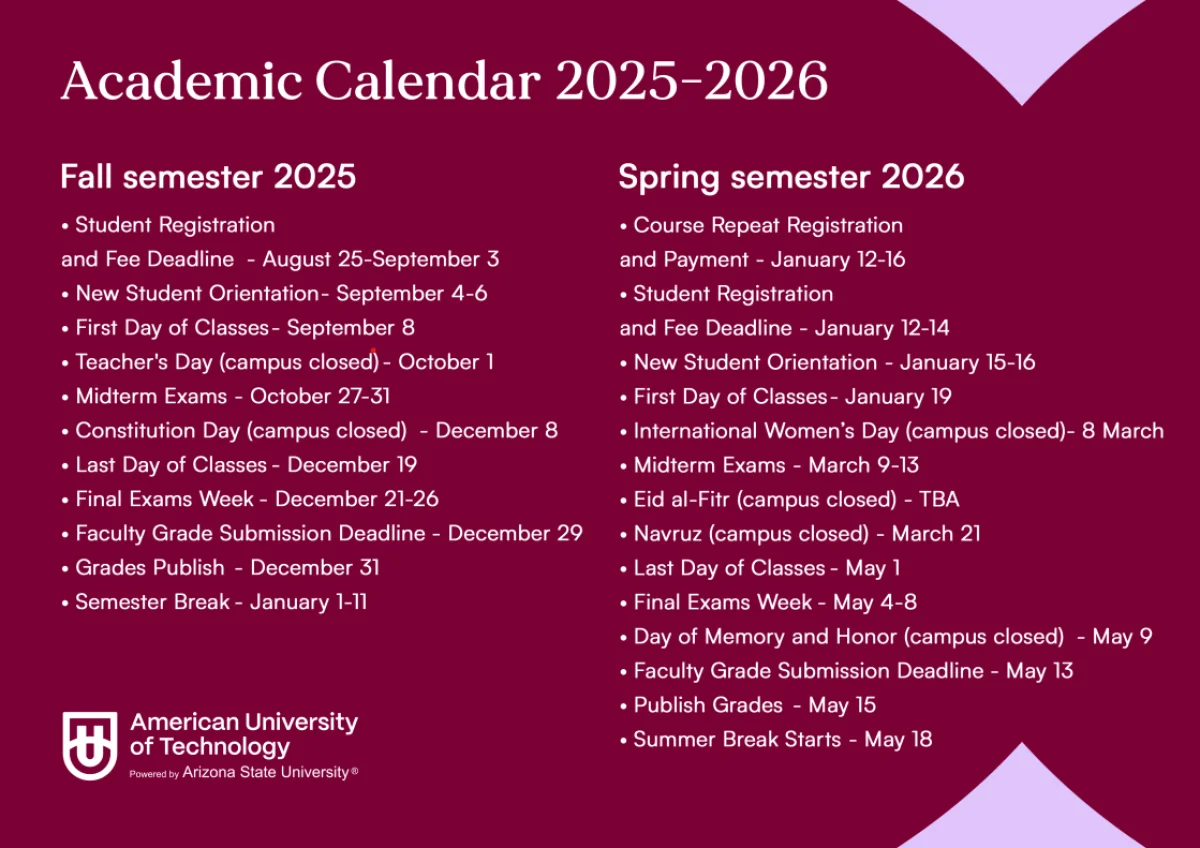
Most American universities organize their academic year into either semesters or quarters. The semester system usually includes two main sessions: fall and spring, each lasting roughly 15 weeks. Some schools also have a shorter summer session offering more accelerated coursework options. Conversely, universities following the quarter system break the year into four sessions, including winter and summer quarters, each about 10 weeks long.
Source: aut-edu.uz
This division impacts how courses are taken, how credits accumulate, and even financial aid disbursement. For instance, if your college follows semesters, your focus centers on longer, more in-depth courses per term, while quarter systems demand quicker pacing and turnover.
Key Dates to Watch Out For
- Registration Deadlines: Usually settle 4-6 weeks before term start. Missing these can throw your plans off.
- Add/Drop Period: Allows tweaking your schedule early in the term, typically 1-2 weeks.
- Midterm Exams: Check specifics per course but often land around the 6th or 7th week.
- Holiday Breaks: Commonly Thanksgiving, Winter, Spring Break, and others.
- Final Exams: The culmination of your work, usually locked in last week or two of the term.
How to Use the Academic Calendar Effectively
To squeeze maximum value out of your calendar, treat it like a contract with your academic life. Mark all registration windows and exam weeks in your phone or planner immediately once published. Plan around holidays to decide if you want to travel or use the downtime for catching up on coursework.
Keeping tabs on important deadlines also helps reduce stress. Imagine trying to register a course the day the window closes or discovering final exams clash with a family event. With the calendar upfront, decisions become clearer and preparation more manageable.
Tips for Staying on Track
- Set multiple reminders for registration and exam dates to avoid missing critical deadlines.
- Consult with academic advisors early in the term to adjust your course load or schedule if needed.
- Leverage holiday breaks for rest but also plan study sessions to stay ahead.
- Use the official university calendar (like on the Shorelight page about U.S academic years) to confirm all dates.
“The difference between a stressful and smooth semester? Mastering your academic calendar early on.” – A former college registrar
Common Variations and Exceptions in Academic Calendars
Not all universities follow the exact same schedule — many tailor the academic calendar to suit local needs or institutional goals. For example, some schools incorporate intensive summer terms, others may have longer winter breaks, and certain institutions adjust for religious observances or national holidays.
Keeping an eye on customized calendars is crucial. For instance, Hawai’i Pacific University features holiday observances specific to their location impacting their academic schedule.
How to Verify Your Specific Calendar
- Check your official university’s academic calendar page rigorously—often found under the “academics” or “registrar” tabs.
- Contact your department for any program-specific scheduling quirks.
- Use official PDF catalogs like the North American academic catalog if available to verify detailed program dates.
Major Benefits of Planning with the Academic Calendar
When you treat the academic calendar as your personal planner, you gain tremendous advantages. You dodge last-minute chaos. You spot opportunities for class registration and plan around busy periods with leisure or study breaks. In addition, it’s a powerful tool to align personal events with academic commitments, preventing conflicts that otherwise drain energy and focus.
Student success isn’t just about studying hard; it’s about smart planning. The calendar becomes your secret weapon in that strategy.
Expert Suggestions for Navigating the Calendar Year
- Meet regularly with advisors to keep your progress aligned with graduation requirements.
- Prioritize deadlines by importance—start with registration, then exams, then papers.
- Incorporate buffer days before finals for intense review sessions.
- Don’t underestimate the power of breaks. Use them responsibly to refresh and recharge.
Tech Tools To Enhance Calendar Management
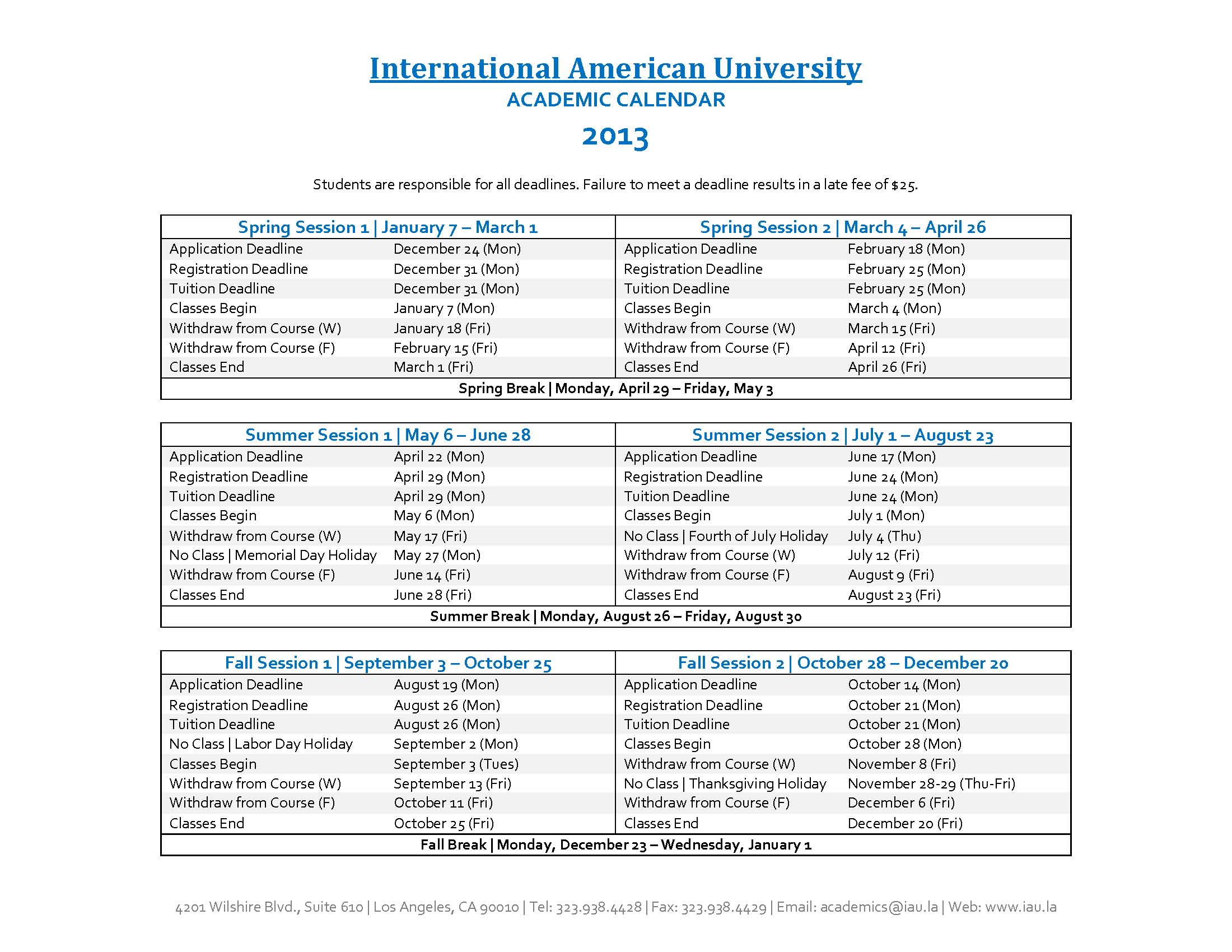
Leverage calendar apps like Google Calendar or specialist academic planners to sync your university deadlines with personal schedules. Setting up color-coded events for exams, registration, holidays, and study periods can reduce overwhelm.
Source: iauedu.wordpress.com
Many universities offer downloadable calendars with embedded reminders. For the latest updates, always check your university’s official site like AUF Florence academic calendar for precision.
What to Do If Dates Change Mid-Year
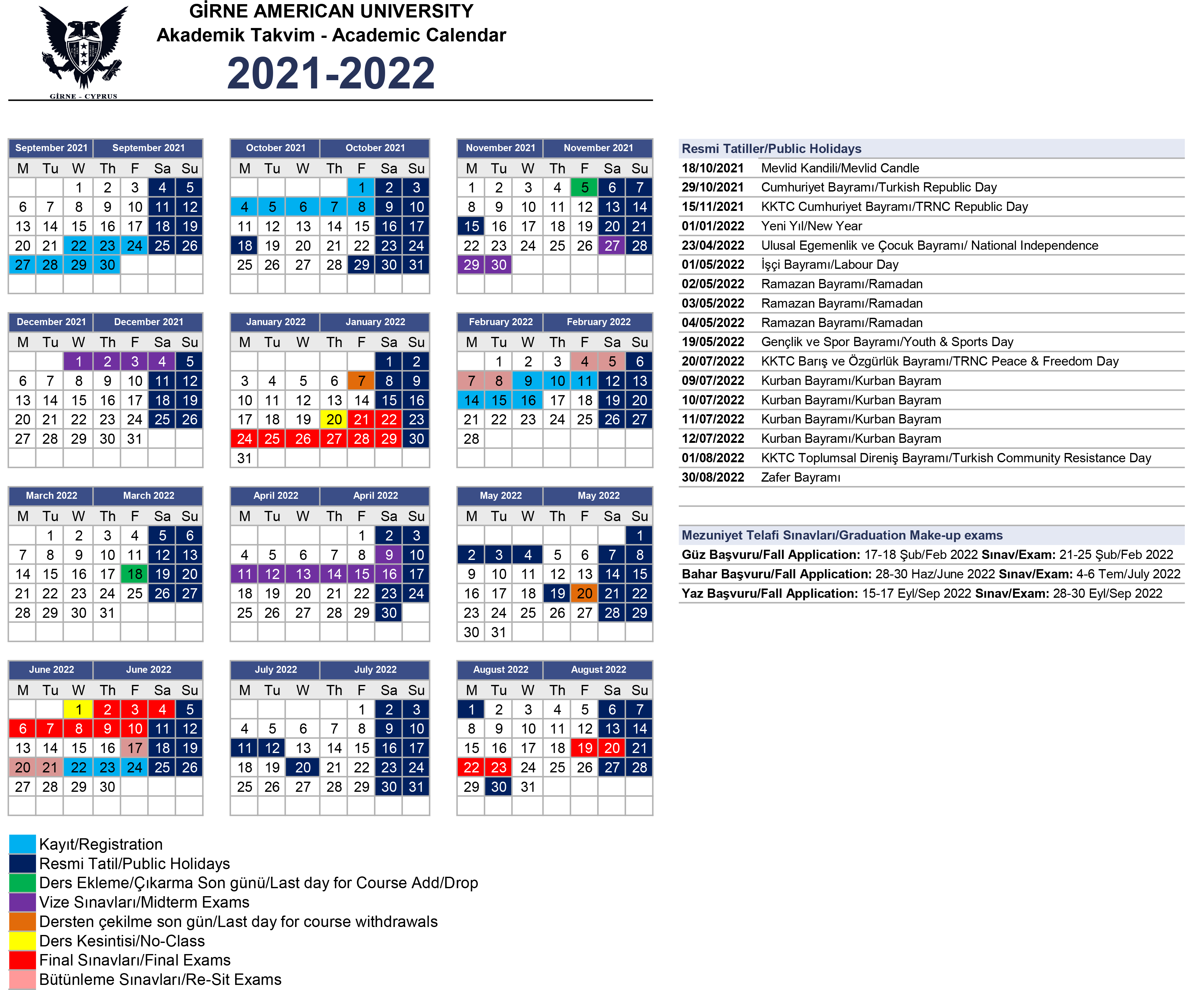
Sometimes universities shift dates due to unforeseen circumstances—from weather events to public health considerations. Staying flexible is key. Bookmark the official academic calendar page and subscribe to university alerts so you’re instantly notified.
Source: www.gau.edu.tr
If changes hit near exams or registrations, consult academic advisors immediately to adapt your plans and avoid pitfalls.
Conclusion
Your secret to owning your college journey is contained within the american university academic calendar. This is not just a document; it’s the blueprint of your academic year, loaded with critical dates like registration, exams, and breaks. Master it early, and you control your schedule—not the other way around. Make the calendar your constant companion and watch stress evaporate while your academic performance thrives.
Remember, every student can succeed with timely planning and awareness of their academic calendar setup. With 2026 details fresh and evolving, keep informed, plan ahead, and don’t just get through college—conquer it.
Frequently Asked Questions
What is included in the american university academic calendar?
The calendar contains term start and end dates, registration and add/drop deadlines, holidays, exam schedules, and special academic events to guide students and faculty through the academic year.
How often do academic calendars change?
Most calendars remain consistent year-to-year but may change due to holidays, policy updates, or emergencies. Universities notify students promptly for any date adjustments.
Can I register for classes outside the registration deadline?
Generally, no. Universities enforce strict registration deadlines to manage course loads and resources efficiently. Late registration is usually permitted only under exceptional circumstances with advisor approval.
What’s the difference between semester and quarter academic calendars?
Semester systems divide the year into two long terms (fall and spring), while quarter systems split it into four shorter terms. This affects course pacing and credit accumulation.
Where can I find the official academic calendar for my university?
Check your university’s official website, typically under the academic or registrar sections. Many institutions, like Hawai’i Pacific University, provide detailed online calendars and downloadable files.
How do holiday breaks impact the academic calendar?
Holiday breaks pause academic activities, offering time to rest or catch up on studies. They are strategically placed to help maintain student well-being and academic performance throughout the year.
