
Ever jumped into the academic whirlwind without knowing when your term starts or where your exams fall? That chaos is what the dartmouth academic calendar remedies with unmatched clarity and precision. Whether you’re plotting your semester strategy or dodging a last-minute registration scramble, this calendar is your best friend.
- Dartmouth runs on a quarterly academic system.
- Each academic year is split into Autumn, Winter, and Spring terms.
- Key deadlines like enrollment add/drops are rigidly enforced.
- Flexibility in planning is enabled by online schedule tools.
Understanding the Structure of Dartmouth’s Academic Year
Dartmouth’s academic calendar isn’t just a list of dates; it’s a scaffold holding your year together. The quarterly setup segments the year into Autumn, Winter, and Spring, each hosting a trio of terms. This breakdown makes pacing classes and projects logical—no more marathon semesters that drain your energy!
Quarter System Explained
This system shrinks the semester but keeps the intensity. What’s extraordinary? You get faster feedback cycles and chances to remix your course load every three months. For instance, the Autumn quarter kicks off in early September and runs till December, packing lectures, tests, and finals into a crispy timeline.
Key Dates to Remember in the Dartmouth Academic Calendar
Deadlines define destiny. In the realm of academics, missing a registration or withdrawal cutoff can upset your entire semester strategy. According to the [Arts & Sciences Registrar’s Office](https://registrar.dartmouth.edu/calendars/academic-institutional-calendars) for Dartmouth, some pivotal dates include:
- First day of classes for each quarter
- Add/drop deadlines to fine-tune your schedule
- Holidays such as Thanksgiving and winter breaks
- Examination weeks and final grade submissions
Registration and Add/Drop
Registration periods open ahead of each quarter start, but you better hit those dates. Missing them means you could be stuck with an unwanted class or less optimal timetable. Add/drop deadlines are usually during the first two weeks after classes begin, so act fast!
Balancing Academics and Life with Scheduled Breaks
Stress relief? It’s built-in. Thoughtful placement of holidays like Thanksgiving and winter breaks means you catch your breath before the next academic burst. This rhythm boosts both mental health and academic output. Here’s how breaks line up:
- Thanksgiving Break: Late November
- Winter Break: Mid-December to Mid-January
- Spring Break: Often late March
This cyclical rest-padding is one of Dartmouth’s silent strengths against burnout.
Course Enrollment and Academic Planning Tips
Charm your schedule planner with foresight. The dartmouth academic calendar informs when to finalize courses, but optimizing those choices requires more than timing:
- List your must-take classes early.
- Balance demanding courses with lighter options each term.
- Keep an eye on overlapping tests or projects.
- Consult advisors before final decisions.
If you want to visually manage your plan, Dartmouth provides excellent online tools accessible through their [Courses and Calendars page](https://home.dartmouth.edu/academics/courses-calendars) that sync with this calendar.
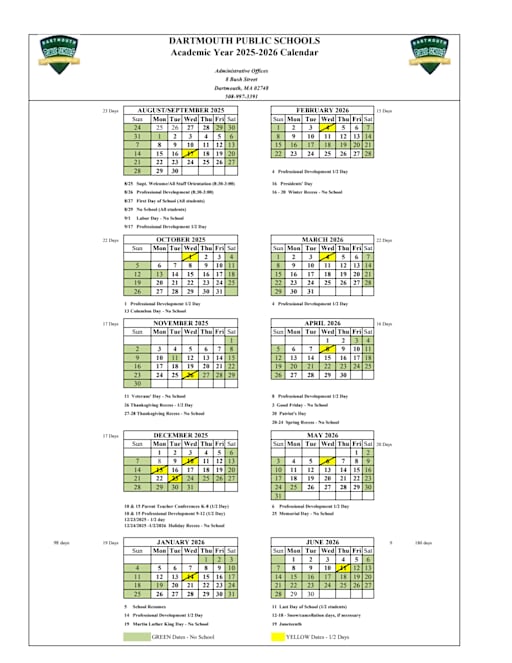
Source: dhs.dartmouth.school
Exam Scheduling and Grade Submission
Exams mark the crescendo of a quarter’s journey. Planning around exam weeks, which fall at term end, is pivotal for success. The registrar’s office ensures dates are published early, so no surprises. After exams, faculty have official windows for grade submission to keep the flow steady.
Why This Calendar Matters Beyond Dates
Think of it like a game board layout. The dartmouth academic calendar sets up the pieces: class blocks, rest zones, deadlines, and milestones. Without it? Chaos and missed chances. Armed with it? Strategic victories and balanced academics.
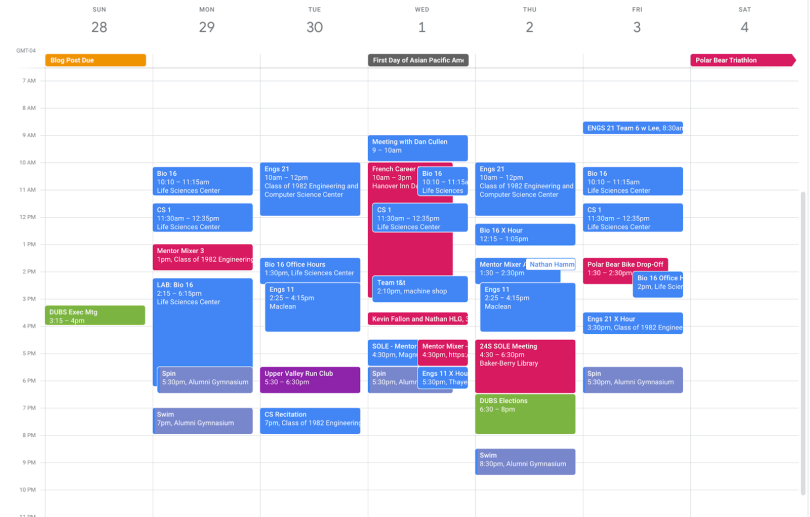
Source: admissions.dartmouth.edu
💬 “Understanding this calendar early turned my frantic semester into a paced climb. Highly recommend treating it like your academic GPS.” – Dartmouth student, 2025
Common Pitfalls and How to Avoid Them
Straight up: ignoring calendar deadlines handicaps your semester. Delaying registration? You risk closed spots. Skipping breaks? Watch burnout knock on your door. Here’s a checklist to stay on top:
- Mark all important dates in your personal planner immediately.
- Review calendar updates each quarter in case of changes.
- Use official Dartmouth sources only for the most accurate info.
- Consult academic advisors regularly for personalized guidance.
How to Access and Stay Updated
Dartmouth keeps the calendar accessible online, ensuring updates are swift and reliable. For detailed planning, visit their official academic calendars page at the [Arts & Sciences Registrar’s Office](https://registrar.dartmouth.edu/calendars/academic-institutional-calendars/past-years/2025-2026-key-dates) which features current and past year dates for comparison. Bookmarking this is a no-brainer.
Leveraging the Calendar for Academic Success
Using the dartmouth academic calendar smartly means more than knowing dates; it means tailoring your study rhythm and life around the university flow. Want to stay sane? Sync your personal goals with term phases, employ regular review sessions, and adjust workload as per feedback cycles.
Planning Your Dartmouth Year: A Sample Timeline
- Before Autumn Quarter: Finalize registration, set study goals.
- During Autumn: Track assignments, prepare for mid-term.
- Winter Break: Refresh, plan next quarter’s workload.
- Spring Quarter: Focus on capstone projects and finals.
Embracing Flexibility in Your Study Plans
Dartmouth also offers flexible study options allowing students to adapt schedules in case life throws curveballs. These provisions make the calendar a supportive framework, not a rigid cage.
Conclusion: Your Essential Companion for 2026 and Beyond
With the dartmouth academic calendar as your backbone, navigating 2026’s academic maze feels less like guesswork and more like chess—informed moves, strategic breaks, and confident turns. You can dodge stress traps, seize timely enrollments, and bask in well-timed rest. Use the calendar not just as a tool, but as a strategic partner in your Dartmouth academic journey.
Frequently Asked Questions
Where can I find the official Dartmouth academic calendar?
You can find the most current and detailed academic calendar on the Arts & Sciences Registrar’s Office website, which maintains yearly updates and key dates. Check their pages regularly for any changes or additions.
How does the quarter system at Dartmouth work?
Dartmouth uses a quarter system dividing the academic year into Autumn, Winter, and Spring terms. Each quarter lasts about 10 weeks, allowing students to take fewer classes per term but complete more in a year.
When are the add/drop deadlines each term?
Add/drop deadlines usually occur within the first two weeks after a quarter starts. This ensures students can adjust their schedules without academic penalties.
Are there breaks scheduled between quarters?
Yes. Dartmouth schedules breaks like Thanksgiving, winter, and spring breaks strategically between or during quarters to help students recharge.
Can I access past academic calendars for planning?
Yes, Dartmouth provides past academic calendars for comparison and planning, available on the Registrar’s official site under previous years’ key dates.
How should I use the academic calendar for better study planning?
Align your study goals with the start and end of quarters, respect registration deadlines, plan rest during breaks, and consult advisors regularly to maximize the calendar’s benefits.
