Academic Calendar Unsw
Ever scrambled last minute to figure out when your semester ends or when exams hit? You’re not alone. At UNSW Sydney, the academic calendar isn’t just a set of dates—it’s your roadmap to survival and success in university life. And with 2026 rolling around, it’s time to get a solid grip on what the year holds.
Understanding UNSW’s Academic Calendar for 2026
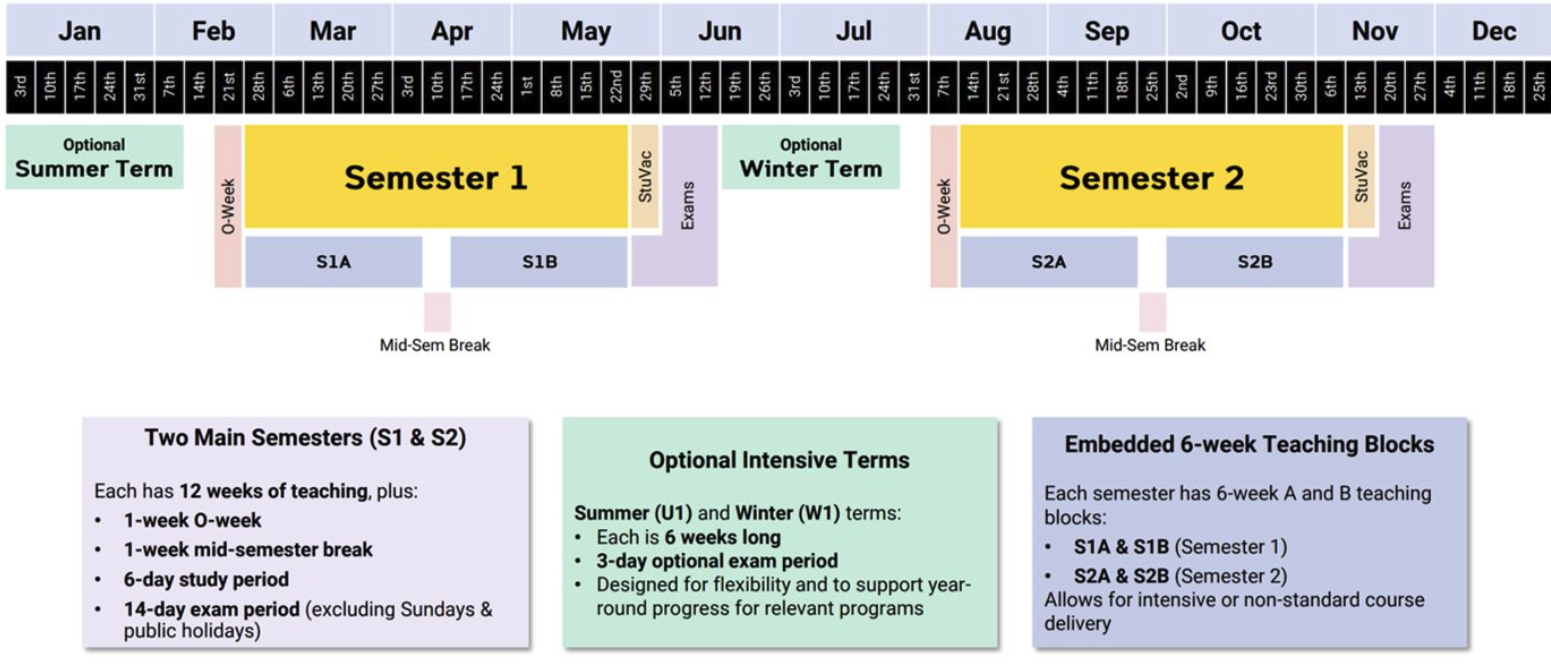
UNSW operates on a trimester system, which means instead of the traditional two semesters, you get three study blocks. This setup gives you more flexibility but demands better planning. The university is also rolling out a new flex-semester calendar aiming to sync globally and offer adaptable study options.

Source: www.unsw.edu.au
Why The Trimester System Is a Game Changer
- More chances to start your studies throughout the year mean you can tailor your education to your pace — and yes, that’s perfect for those juggling work.
- Condensed course periods require focus and grit; no slacking off here.
- Logistical headache? The official academic calendar page keeps you grounded with precise dates.
2026 Expected Trimester Dates (To Be Announced)
Fall Session
| Event | Date |
|---|---|
| Trimester Start | February 24, 2026 (Expected) |
| Mid-Trimester Break | April 13 – April 17, 2026 (Expected) |
| Trimester End | June 5, 2026 (Expected) |
Source: www.unsw.edu.au
Spring Session
| Event | Date |
|---|---|
| Trimester Start | June 22, 2026 (Expected) |
| Mid-Trimester Break | August 10 – August 14, 2026 (Expected) |
| Trimester End | October 2, 2026 (Expected) |
Summer Session
| Event | Date |
|---|---|
| Trimester Start | October 19, 2026 (Expected) |
| Mid-Trimester Break | December 7 – December 11, 2026 (Expected) |
| Trimester End | January 29, 2027 (Expected) |

Source: www.scribd.com

Key Dates at a Glance for UNSW College Students
| Date | Event |
|---|---|
| January 20, 2026 | Late enrolment deadline |
| March 30, 2026 | Official census date for Fall trimester |
| July 10, 2026 | Grades release for Spring trimester |
| November 1, 2026 | Summer trimester enrolment opens |
These dates are sourced from the official UNSW College key dates page and are essential to follow closely—especially if you want to dodge unexpected fees or enrollment hiccups.
Source: www.reddit.com
How to Keep Track Without Losing Your Mind
Imagine you’re juggling shifts at a café downtown while aiming for that coveted internship next semester. Keeping tabs on academic deadlines, breaks, and exam weeks isn’t optional—it’s survival. I recommend syncing the official UNSW academic calendar with your phone’s calendar app.
It’s like having a personal assistant running reminders right into your pocket. Plus, UNSW’s ongoing academic calendar updates are vital to watch for any disruptions or policy tweaks, especially as they enhance the calendar system to connect students and faculty better.
Frequently Asked Questions
When does UNSW’s academic year begin in 2026?
The academic year is expected to begin with the Fall trimester around February 24, 2026, based on current university data. Exact dates will be confirmed closer to the start of the year.
What is the trimester system at UNSW?
UNSW’s trimester system divides the year into three study periods instead of two semesters, allowing students to start courses three times a year and manage their workload with more flexibility.
Where can I find the official academic calendar?
The official and regularly updated academic calendar is available directly on the UNSW Sydney website, maintained by the Student Services unit.
Are there any mid-trimester breaks in 2026?
Yes. Each trimester includes a short mid-trimester break, typically lasting around 5 days. For example, the Fall session break is expected from April 13 to April 17, 2026.
Will UNSW introduce any changes to the academic calendar system in 2026?
UNSW is rolling out a new flex-semester academic calendar in a global approach, as reported on official releases, aiming for more adaptable study options starting potentially around this period.
Disclaimer: All dates and information are based on the most recently available official sources and are subject to change. Always verify with the official institution website for the most current details.