
Ever found yourself scrambling at the last minute, wondering when your next big Marshall University exam or important deadline lands? That’s where the marshall university academic calendar swoops in as your ultimate hero. Packed inside are all the key dates—semester start and end times, registration windows, holidays, and exam periods—that turn chaos into clarity. 🚀 Let’s cut through the confusion together!
- Two main semesters: Fall and Spring, each spanning 15 weeks.
- Flexible add/drop deadlines for courses every semester.
- Designated breaks: Mid-semester and major holidays like Thanksgiving and Spring Break.
- Final exams scheduled consistently in last two weeks of semester.
Understanding the Structure of the Marshall University Academic Calendar
The marshall university academic calendar is thoughtfully organized to ensure students, faculty, and staff get a clear picture of the academic year. There are primarily two 15-week semesters annually—Fall and Spring—with detailed dates for registration, classes, holidays, and exams. You can check specifics for the Fall 2026 Semester and spring terms directly on their official portal.
Fall Semester Highlights
- Semester start: Usually mid-August
- Registration deadlines: Late August
- Midterm break: Often in October
- Thanksgiving Holidays: Late November
- Final exams: First two weeks of December
- Semester end: Mid-December
Spring Semester Essentials
- Classes begin: Early January
- Add/drop deadline: Mid-January
- Spring Break: Usually March
- Final exam period: Late April to early May
- Semester close: Early May
If you’re eyeing up the Spring 2026 Semester details, they’re all mapped out perfectly to keep your planning razor-sharp!
Why Staying Updated with the Marshall University Academic Calendar Matters
Ignoring your academic calendar is like walking blindfolded through a maze. Missing a registration deadline or exam date can derail your entire semester. Imagine the stress of realizing that add/drop deadlines passed without your attention. The academic calendar not only dodges such pitfalls but also lets you spot opportunities for breaks, prepare for exam weeks, and align your work or personal plans around academic demands.
Ways to Use the Calendar to Your Advantage
- Plan study sessions: Prioritize subjects early for exams set weeks ahead.
- Schedule life events: Weddings, vacations, or work—sync with breaks.
- Manage workloads: Avoid overbooking yourself during crunch times.
- Stay informed on registration: Register early to secure preferred classes.
How to Access and Navigate the Official Academic Calendar
Marshall University’s academic calendar is readily available online. For the most accurate and updated information, visit the official page Marshall University Academic Calendar homepage. It’s laid out simply, letting you click through semester-by-semester or check specific academic sessions. And yes, the site is regularly updated with any sudden changes or additional important dates.
Common Misunderstandings About Academic Calendars
Many students falsely assume their syllabus or professor’s emails are their sole source of academic timing, but relying solely on them is a gamble. The official marshall university academic calendar carries institutional authority over deadlines and breaks. It’s the ultimate source that trumps all else—always confirm with it rather than vague reminders.
Academic Calendar Events Beyond Classes
Marshall University also pepper its calendar with events like graduation dates, registration fairs, and financial aid deadlines. For parents and prospective students, checking out the Parent & Family Information page along with the calendar streamlines planning visits and participation in campus life.
Advising Students: Vital Academic Calendar Tips
- Bookmark the official academic calendar page for quick access.
- Set reminders for key registration and drop/add deadlines.
- Use calendar apps synced with official dates.
- Consult with academic advisors periodically to align course paths with calendar milestones.
- Review the calendar at the start of every semester to anticipate demands.

Source: www.marshall.edu
Recommendations for Faculty and Staff
Faculty should integrate academic calendar milestones into their course planning and communications. Timely reminders on deadlines and exam schedules prevent last-minute confusion. Staff managing student services gain efficiency when organizing orientations, advising sessions, and student activities around the official timeline.
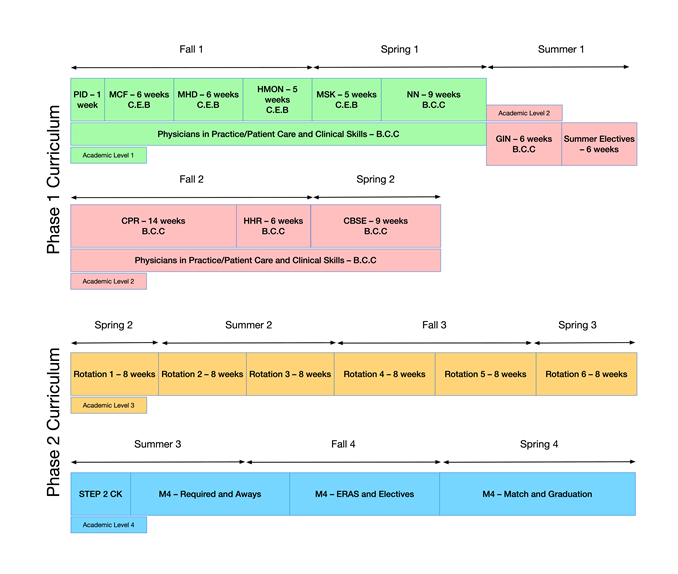
Source: jcesom.marshall.edu
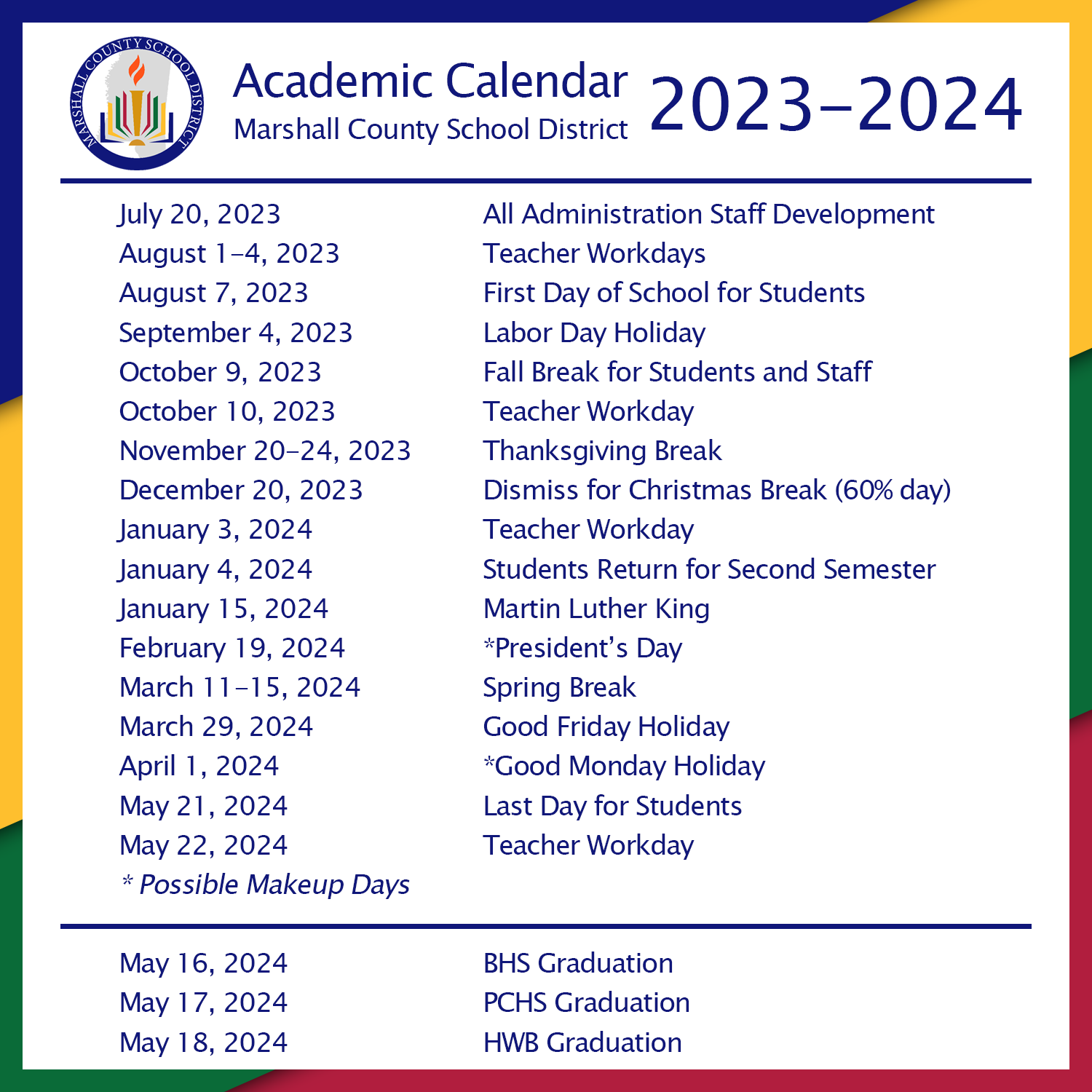
Source: www.marshallcountysd.org
Academic Calendar and Registration: A Balancing Act
Registration periods on the marshall university academic calendar are non-negotiable. Missing the registration window might mean lost seats or delayed graduation. Keep a sharp eye on the Fall 2026 semester registration deadlines and spring registration openings to stay ahead. Proactive registration often means better class options and less stress later.
How Breaks Shape the Semester
Breaks aren’t just for chill time. They come strategically in the calendar to recharge mental energy, catch up on assignments, or prepare for upcoming exams. The mid-semester breaks and major holidays sprinkled through the marshall university academic calendar provide essential breathing room in an otherwise packed academic journey. Plan ahead to make the most of these pauses.
Tips to Avoid Common Scheduling Mishaps
- Avoid last-minute class drops without checking the final drop deadline.
- Prepare for exam weeks early to avoid burnout.
- Confirm event and holiday dates yearly since they can vary.
- Don’t rely solely on memory—use digital planners synced with official calendar updates.
Making the Most of Your Academic Year
College life at Marshall University isn’t just books and exams—it’s a full-fledged experience that the academic calendar helps you choreograph. Balance studies, campus events, and personal life by aligning with the calendar’s roadmap. The better you sync with your academic calendar, the smoother your semester rolls. Make it a habit to review it thoroughly each semester.
Summary: Why Marshall University Academic Calendar Is Non-negotiable
No matter if you’re a freshman navigating the first semester or a senior finalizing your last credits, the marshall university academic calendar is your best tool to stay afloat. It’s your anchor in managing deadlines, breaks, and exam periods. Make peace with it, embrace it, and let it support your academic ambitions logically and successfully.
Planning and sticking to the marshall university academic calendar means fewer freakouts, better grades, and an overall smoother ride. It’s your secret weapon to mastering university life in 2026 and beyond.
Frequently Asked Questions
Where can I find the official Marshall University academic calendar?
The official academic calendar is accessible at Marshall University’s Academic Calendar page, which is regularly updated with semester-specific schedules and key academic dates.
What are the important dates to remember in the Marshall University academic calendar?
Crucial dates include semester start and end dates, registration deadlines, holidays like Thanksgiving and Spring Break, midterms, and final exam periods. Staying aware of these ensures you never miss critical academic milestones.
How often is the academic calendar updated?
The calendar is updated as needed, typically before each semester and whenever unforeseen changes happen. Always check the official site prior to registration or exams for the latest info.
Can I register for classes after the add/drop deadline?
No, registration and add/drop deadlines are strict. After those deadlines pass according to the academic calendar, changes are generally not permitted without special administrative approval.
Are breaks and holidays the same every year on the academic calendar?
Most major breaks follow consistent timing (e.g., Thanksgiving is always late November), but exact dates can slightly vary by year. Checking the current year’s calendar is essential.
How does the calendar help with planning academic advising?
The academic calendar highlights crucial advising and registration periods, helping students and advisors coordinate timely planning to meet graduation requirements efficiently.
