
Ever wondered how to navigate the university of iowa academic calendar like a pro? You’re not alone! Knowing this calendar isn’t just about marking dates; it’s your secret weapon to conquering deadlines, maximizing class time, and avoiding last-minute scramble. Imagine rolling into your first semester without the stress of surprise exam weeks or registration deadlines sneaking up on you. This guide unpacks everything you need to know for 2026.
Understanding the Structure of the Academic Year
The academic calendar at the University of Iowa is divided into specific terms and sessions. Here’s a straightforward breakdown:
- Fall Semester: Starts mid-August, ends mid-December.
- Spring Semester: Starts mid-January, ends late May.
- Summer Sessions: Multiple sessions between May and August.
- Special Sessions and Breaks: Include winter break, spring break, and national holidays.
Key Dates and Deadlines to Always Track
- Registration Opens: Early November (Fall); Early October (Spring).
- Add/Drop Period: First two weeks of each semester.
- Tuition Payment Deadlines: Usually at the start of each term; always confirm early to avoid holds.
- Final Exam Weeks: Typically the last month of the semester.
- Holiday Breaks: Thanksgiving, winter, spring recess.
How to Use the University’s Registrar Website to Stay Updated
Nothing beats going to the source. The University of Iowa Academic Calendar on the Registrar’s site always has the freshest info, including deadlines that could move due to unforeseen circumstances. Bookmark it, check it often.
Planning Your Semester: Practical Tips
Think of your semester as a roadmap; without milestones, you’ll get lost. Start by noting registration dates. Then, block out holidays and exam weeks. Build around these with your work and life obligations for smooth sailing. Avoid the common mistake of procrastinating on registration which can leave you stuck without ideal classes.
Special Sessions and Their Benefits
Summer sessions offer flexibility. Whether you want to catch up, get ahead, or try a specialized course, the summer term’s condensed schedule is aggressive but rewarding. Some courses even offer online options perfect for students juggling internships or jobs.
Impact of Calendar on Graduation and Academic Progress
Getting a handle on deadline-driven academic progress is a proven strategy to graduate on time. From submitting your thesis to meeting internship requirements, missing a calendar date can set you back a semester. Balance your schedule wisely by factoring in these key milestones.

Unpacking Holiday and Break Policies
University holidays like Thanksgiving, Memorial Day, and winter break mean campus slows down. Despite breaks, some staff offices and services remain limited—plan accordingly especially if you rely on support offices for financial aid or academic counseling.
Using External Resources for Calendar Updates
Aside from the Registrar’s main calendar, the University Calendar in the General Catalog helps with academic policies tied to the date schedules. Cross-referencing ensures you don’t miss nuanced changes influencing course credits or campus events.
Common Mistakes Students Make with the Academic Calendar
- Waiting until the last minute to register or drop classes.
- Ignoring add/drop period dates leading to academic penalties.
- Overlooking the importance of checking for revised deadlines during exam weeks.
- Misjudging the length and impact of holiday breaks on coursework timelines.
How to Stay Ahead and Stress Less
Integrate the calendar into your daily routine. Use phone apps that sync calendar events from the university for on-the-go alerts and remind yourself weekly of upcoming deadlines. Team up with classmates to keep each other accountable on key dates. Don’t let busy weeks surprise you!
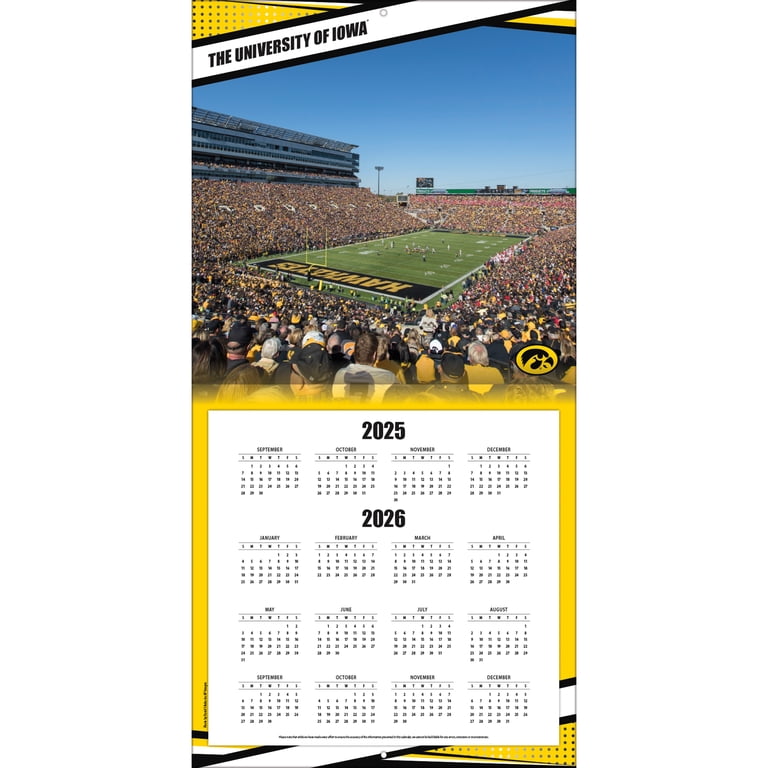
Source: www.walmart.com
Tips for Advisors and Faculty Using the Calendar
Faculty and advisors can encourage students to regularly consult the calendar. Scheduling advising appointments around critical registration and add/drop windows saves headache for everyone. Plus, it helps in planning for overloads or withdrawal paperwork.

Source: www.fanatics.com
Summary and Final Thoughts
Getting a grip on the university of iowa academic calendar is the cornerstone of streamlined academic life. By mastering this timeline, you set yourself up for success, avoid costly administrative errors, and secure your spot in desirable classes. Serious students and savvy staff alike thrive with this invaluable tool in their arsenal.
Frequently Asked Questions
When does the University of Iowa academic year start and end?
The academic year usually begins mid-August and ends in mid-May, with summer sessions filling the gap between spring and fall semesters.
Where can I find the most updated university of iowa academic calendar?
The most accurate and updated calendar is maintained on the Registrar’s official academic calendar page.
Are there multiple academic sessions available throughout the year?
Yes, apart from the traditional fall and spring semesters, the university offers various summer sessions with flexible scheduling options.
What are the consequences of missing key academic dates?
Missing deadlines such as registration or add/drop can result in penalties like being locked out of courses, financial charges, or delayed graduation.
Can students sync the academic calendar with personal digital devices?
Yes, the university provides calendar feeds which students can subscribe to for automatic updates on their smartphones and computers.
How do holidays affect class schedules and academic deadlines?
Holidays pause regular classes but administrative offices may be closed or operate on limited hours. It’s essential to plan around these to avoid missing deadlines.
How can faculty and staff effectively use the academic calendar?
Faculty should align their course planning and advising sessions around critical dates to help students navigate registration and exam periods smoothly.
